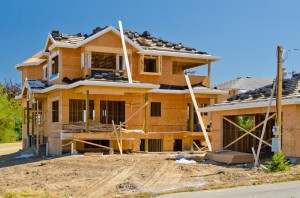

The numbers are in for June’s Housing Starts Summary, and while both permits and starts are down that’s not the entire story. Housing starts are down overall 9.9% to 836,000,however, the bigger picture is that the bulk of this decline is due to the 26.7% drop in starts for buildings with five or more units, most likely apartment construction. Single-family home starts only dipped 0.8% in June’s Housing Starts Summary, and starts for both categories as a whole are still up 10.4% over this same time last year.
 Permits are also down for June versus the prior month a decrease of 7.5%. The Housing Permits category mirrored the Housing Starts pattern, showing fall back the prior month but significant growth compared to the prior year. This June’s Housing Starts Summary reflected 911,000 total permits pulled, that’s 16.1% higher than June of 2012. The repeated year-to-year gains in both permitting and starts are a strong indicator that despite the inevitable peaks and valleys in the housing market, a recovery does appear to be underway. In fact, while permits for multifamily construction dipped 22.8% in this month’s Housing Starts Summary, permits for single-family homes were the highest since May 2008—at 624,000, up 0.6%.
The question for many may be, will demand for new homes continue? Many economists and builders believe the answer is yes. The July Housing Markets Index report, which gauges builder’s optimism, reflected an overall jump of 6 points to 57. Any score in the Housing Market Index over 50 indicates that most builders perceive conditions to be improving. There were gains in all three components of the HMI, meaning builders are seeing more buyer traffic, think the current conditions are improving, and expect good things for the next 6 months. Many permits pulled from previous months have yet to be used, so economists such as Avery Shenfeld of CIBC World Markets expect that recovery and construction starts will maintain momentum. Whereas monthly numbers in June’s Housing Starts Summary have dipped due to a slowdown in apartment building, single-family construction is on the rise, and the general outlook for both remains positive.
For more information on First Preston HT, visit our website at FirstPrestonHT.com. You can also find us on Facebook and Twitter.
Sources:
1) http://www.marketwatch.com/story/home-construction-lowest-in-almost-a-year-2013-07-17?link=MW_pulse
2) http://www.marketwatch.com/story/us-economy-creates-195000-jobs-in-june-2013-07-05
3) http://www.nahb.org/news_details.aspx?sectionID=134&newsID=16373

 may certainly be underway, challenges remain for homebuilders. NAHB Chief Economist David Crowe reemphasized the need for more readily available building materials, credit, and buildable lots for construction of homes, as these hurdles continue to hinder homebuilder efforts. He noted the uptrend in home values is another contributing factor supporting the recovery of the U.S. housing market. The National Association of REALTORS® (NAR) reported recently in their Pending Home Sales Index that they are upgrading median price growth projections to 10 percent in 2013. Positive job growth figures re-enforce builder confidence.
 buyers’ enthusiasm, as evidenced by the uptick in homes under contract in the Pending Homes Sales Index. In fact, Yun is upgrading NAR predictions calling for a 10 percent increase in the median sales price of existing homes. That would mean a median home price of $195,000. The market hasn’t seen escalations in median prices like this since the beginning of the boom back in 2005. With most markets experiencing high buyer affordability, Yun said we are experiencing some “fence jumping”—i.e.: proverbial fence sitters are finally making a buying move after taking stock of the rising rates and prices. This is good news for the sellers; as increased values mean fewer under-water mortgages.
 ake a huge leap forward, the volume of permits requested by builders continues to demonstrate U.S. consumers’ desire to build and own new homes. The rainy season might also be a contributing factor in the lack of home starts. NAHB Chief Economist David Crowe mentioned weather might be slowing progress on the, however the strength of permits being issued and pulled for future use signals continued recovery in the housing market.
 More than 70 percent of metropolitan areas qualified as improving markets according to the National Association of Home Builders latest Improving Markets Index. It’s notable that the last time the Pending Home Sales Index reached this level was in April 2010, prior to the expiration of the tax credit for home buyers. While the Pending Home Sales Index doesn’t reflect closed sales, the uptick in pending contracts indicates consumer willingness to invest in the real estate market. Investors and first-time homeowners alike are making moves and finally getting off the proverbial fence.
 more units took a hit, and was down 37.8% from March. Single-family home production made a much smaller decline at 2.1% month-to-month with many experts pointing to lack of supply of materials and available land as the culprit. The bigger picture in April’s Housing Starts Summary is that permits, a major indicator for future construction, are up 35.8% from April 2012, and housing starts for single-family homes are up 13.1% from last year.